Level 3
Level 3 Building Survey in Sheffield
The detailed survey, for older, larger, altered or stone-built properties. Construction, condition, likely causes and repair priorities — written by the surveyor who inspected the house.
Rated 5.0 by our customers · Independent · Regulated by RICS
When a Level 3 makes sense
- older buildings, particularly pre-1930 stock
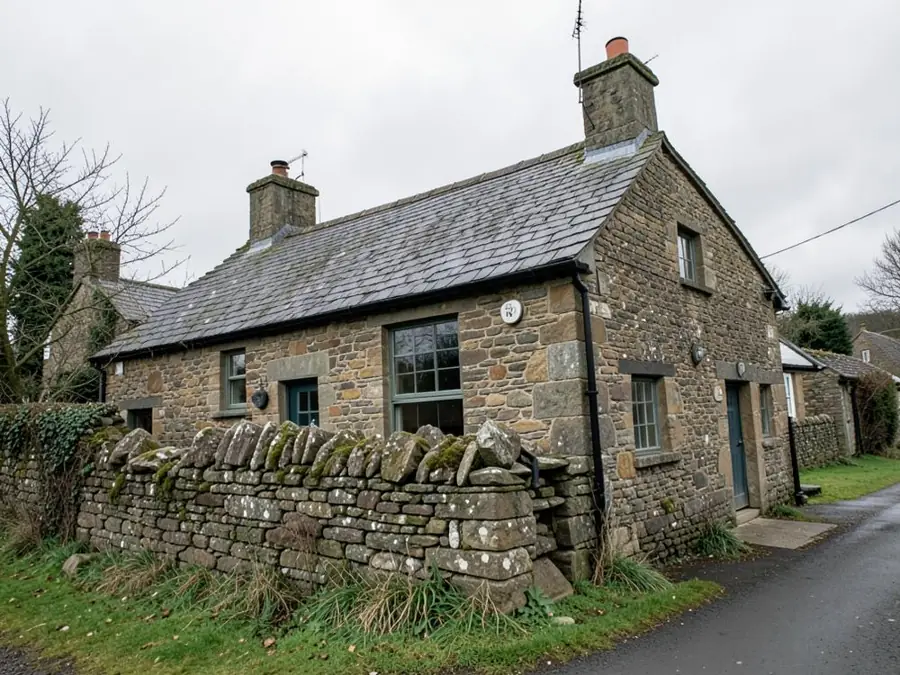
- stone-built properties, including Sheffield stone and gritstone
- larger houses with more to go wrong
- properties extended, converted or substantially altered
- unusual construction or non-standard materials
- properties visibly in poorer condition
If none of that applies, a Level 2 Homebuyer Survey may be all you need. I would rather tell you that than sell you the larger report.
The inspection
What is inspected
- the roof structure and coverings, chimneys and rainwater disposal
- walls, masonry, pointing, lintels and evidence of movement
- floors, timbers and, where accessible, sub-floor ventilation
- damp investigation to accessible walls and floors
- joinery, plasterwork and internal finishes
- alterations, extensions and previous repair work
- visible services, drainage and boundaries
The report
What the report covers
- how the building is constructed, and what that means in use
- the defects found and, as far as can be established, their cause
- repair priorities — urgent, near-term, and the things to keep an eye on
- further investigation where a specialist is genuinely warranted
- maintenance the property will need going forward
- photographs and clear explanations, not jargon
Local older and stone properties
Solid stone walls behave nothing like modern cavity construction. They breathe, they take up moisture, and they are frequently made worse by well-intentioned modern repairs — cement pointing, sealed floors, impermeable paint.
Sheffield terraces, back-to-backs, gritstone cottages and Derbyshire rural properties each have their own familiar patterns. Recognising them is what separates a diagnosis from a list of observations.
Level 2 vs Level 3
The difference is depth and explanation, not effort. A Level 2 rates condition; a Level 3 explains why the building is behaving as it is and what to do about it, in what order. See the comparison table.
What happens afterwards
You ring me and we go through it. If one issue needs looking at more closely — a crack, a damp wall, a bulging gable — that can be dealt with as a specific defect survey.
Common questions
What type of property needs a Level 3 survey?
Older properties, stone-built houses, larger houses, anything substantially altered or converted, unusual construction, and properties already in poorer condition.
How long does a Level 3 survey take?
Typically half a day at the property, sometimes longer on larger or more complicated houses.
Does a Level 3 include a valuation?
No. A market valuation is a separate service and can be arranged alongside it if you need one.
Will the report tell me what repairs will cost?
It sets out the repairs needed and their priority. Costs depend on contractors and access, so where a figure matters I will tell you what to get quoted rather than guess.
Can I speak to you after I've read it?
Yes, and most people do. I inspected the property and wrote the report, so you are not being passed to someone else.
Do you survey properties in Derbyshire?
Yes — Sheffield, South Yorkshire and Derbyshire, including rural stone properties in the Peak District fringe.
Ask about your property.
I’ll call you back today.
5.0 from 182 Google reviews
Older or stone-built property in Sheffield or Derbyshire?
Tell me the address and roughly when it was built, and I'll tell you what I'd recommend.