One issue
Specific Defect Surveys in Sheffield
One problem, looked at properly — what is happening, why it is happening and what to do next.
Rated 5.0 by our customers · Independent · Regulated by RICS
Common reasons people get in touch
- cracking to walls, gables or around openings
- damp — rising, penetrating, or condensation being mistaken for both
- suspected movement or settlement
- a bulging or bowing wall
- a roof, chimney or flashing problem
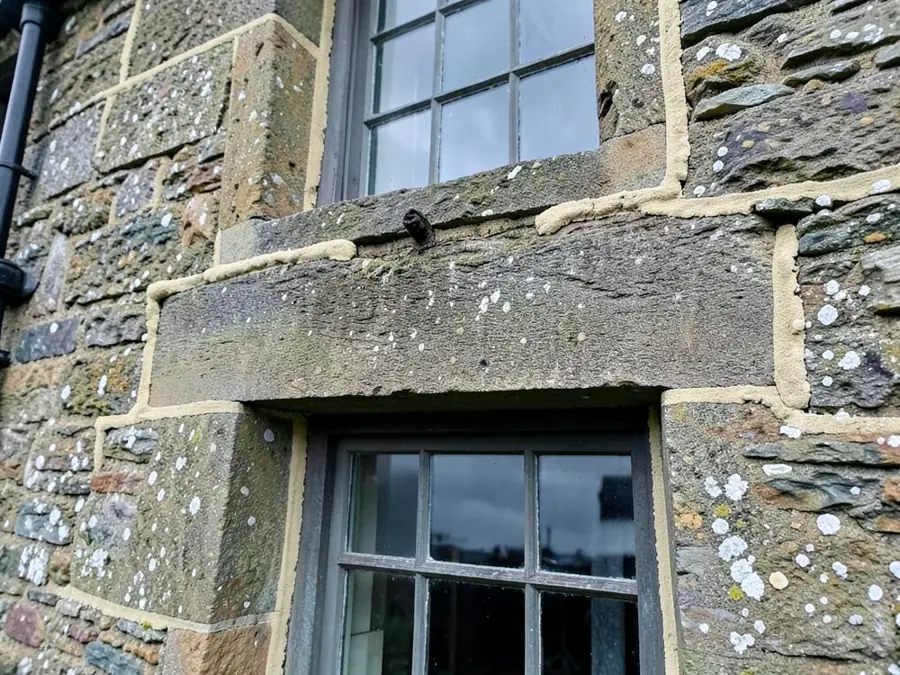
- masonry, pointing or lintel concerns
- a defect flagged by someone else’s survey that nobody has explained
A builder’s opinion is not a diagnosis, and it usually comes attached to a quotation. This is an independent look at the problem first.
The visit
What a defect survey involves
I inspect the affected area and everything around it that could be contributing — ground levels, drainage, gutters, previous repairs, the construction itself. Damp readings and measurements are taken where they help. Then I work out which explanations the evidence actually supports.
The outcome
What you’ll receive
- a written report on the defect, with photographs
- the likely cause, and how confident that conclusion is
- whether anything needs monitoring rather than repairing now
- the repair approach that follows from the diagnosis
- whether a specialist is genuinely needed — often they are not
Diagnosis before repair, every time.
Repairs carried out without a diagnosis often treat the symptom. Injected damp-proof courses in a solid stone wall, cement render over breathable masonry, tie bars where the real issue was a failed lintel — money spent, problem still there.
Local building types repeat themselves. Sheffield stone, Victorian terraces and Derbyshire rural stock each fail in familiar ways, and that context makes a diagnosis more reliable.
Common questions
What is a specific defect survey?
An inspection and report dealing with one particular problem — what is happening, why it is happening and what to do next — rather than the whole property.
Should I get a defect survey or a full building survey?
If you are buying and want the whole house assessed, a Level 3 building survey is the right thing. If you own the property, or a survey has already flagged one issue, a defect survey is the focused option.
Can you tell me whether it is subsidence?
I can tell you what the evidence supports and what it does not, and whether monitoring or a specialist investigation is genuinely warranted. Most cracking is not subsidence.
Will I get a repair specification?
The report sets out the diagnosis and the repair approach that follows from it, in enough detail to obtain sensible quotes.
How quickly can you attend?
Ring me with the address and I will tell you honestly what my diary looks like that week.
Do you cover Derbyshire?
Yes, along with Sheffield and South Yorkshire.
Ask about your property.
I’ll call you back today.
Buying the property rather than living in it? A Level 3 building survey may be the better starting point.
5.0 from 182 Google reviews
Something about the building worrying you?
Describe what you're seeing and I'll tell you whether it needs looking at.